
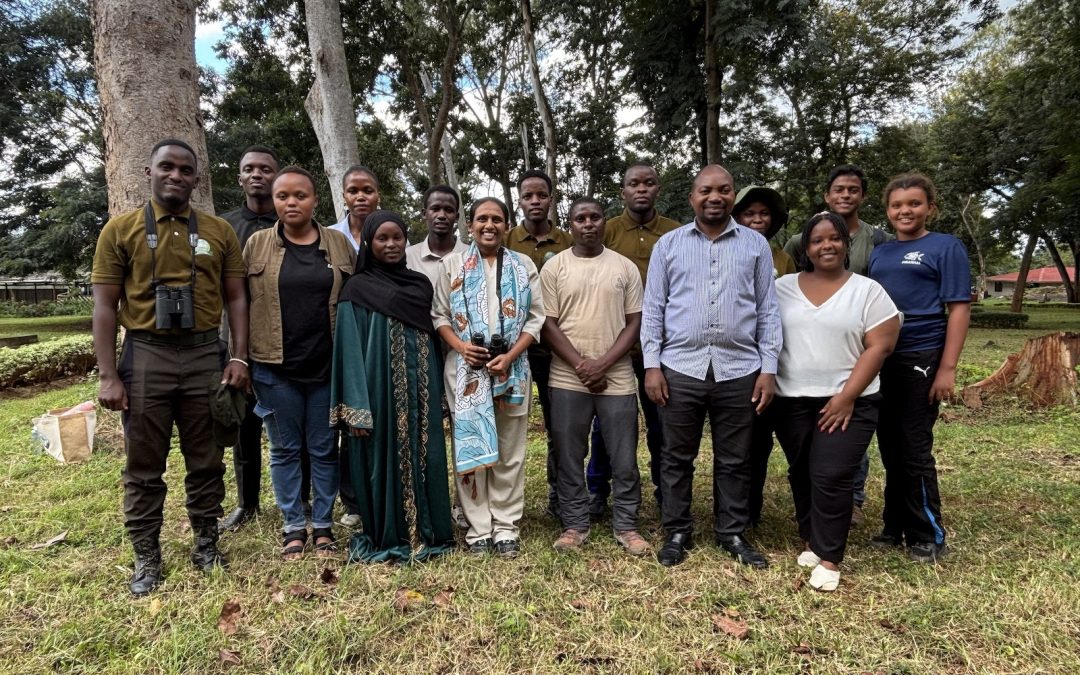
Students from the MIS student-led Birding Club took part in a two day workshop that brought together university students, professors, ornithologists, and young birders to contribute to one of the most ambitious wildlife recording projects ever launched on the African continent.
A Workshop Rooted in Real Science
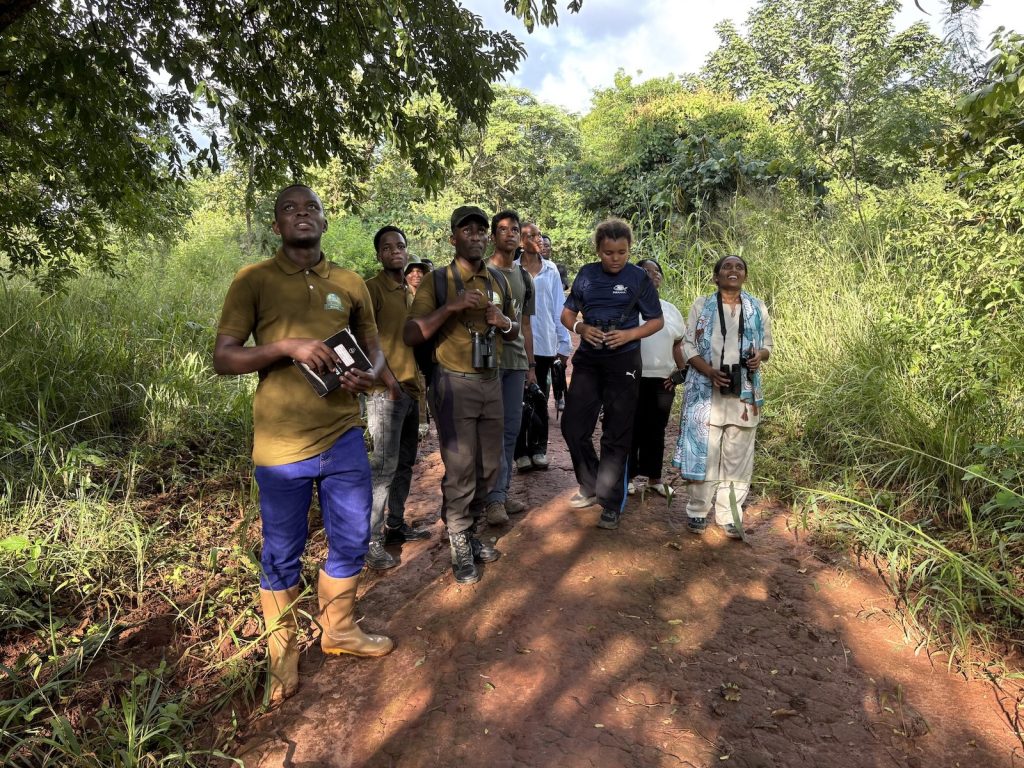
In a collaboration that crossed generations and institutions, two MIS Birding Club members joined twelve Masters and Bachelor’s students from the Forestry and Wildlife Management Department at Sokoine University of Agriculture (SUA) for an intensive eBird, Merlin and sound recording workshop held in Morogoro. The sessions were led by Akshita Rabdiya from Nature Tanzania, a leading conservation organisation dedicated to connecting people with Tanzania’s extraordinary biodiversity, alongside MIS’s own Reuben (Year 12), who co-facilitated as a workshop leader.
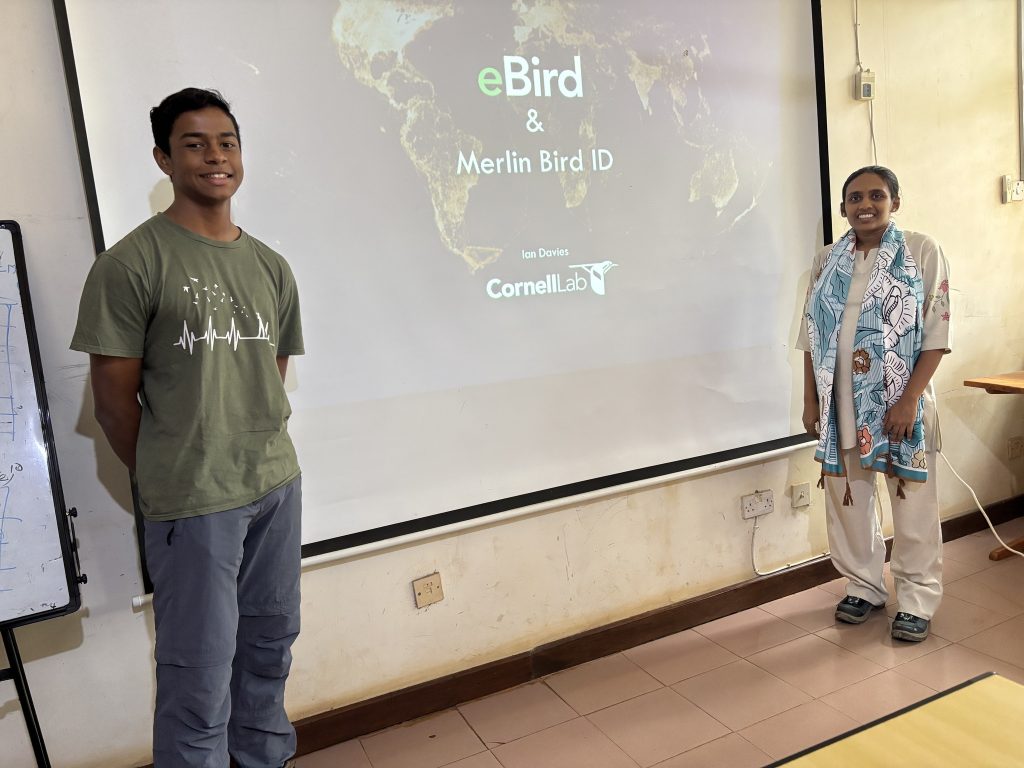
Participants learned how to use two powerful and free tools that are transforming citizen science globally. eBird, developed by the Cornell Lab of Ornithology, is the world’s largest biodiversity citizen science project, with over two billion bird observations submitted from more than 820,000 participants worldwide. Merlin Bird ID, also developed by Cornell, uses machine learning and sound analysis to help anyone identify birds by sight or sound in real time. Together, these apps give any birder the ability to contribute data of genuine scientific value and learn more about the birdlife around them.
The 2026 Big Year of African Sounds
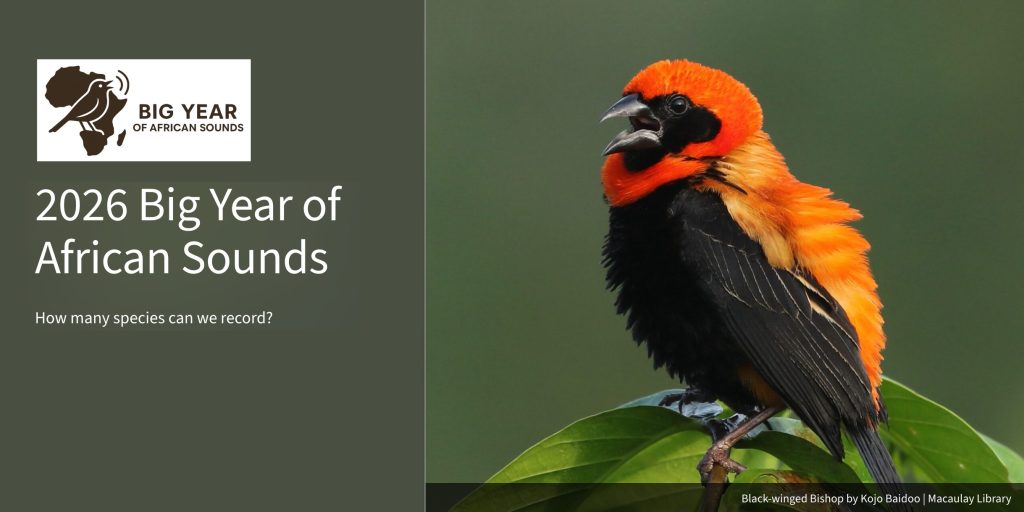
The workshop was a direct contribution to the 2026 Big Year of African Sounds, a continent-wide citizen science initiative coordinated by the Cornell Lab of Ornithology and dozens of African partner organisations. The project’s goal is to dramatically expand the library of African bird sound recordings available for science and technology — aiming to document more than 1,800 species from over 50 countries before the year’s end.
Sound recordings uploaded to eBird are used to train Merlin’s automatic sound identification system. Every recording from Tanzania – from high-quality targeted recordings using a parabolic reflector to simple soundscapes recorded on a mobile phone – make the app more accurate for the next generation of birders here. The Big Year of African Sounds is, in essence, building the acoustic atlas of an entire continent’s birdlife.
Africa is one of the most biodiverse regions on Earth for birds, yet it has historically been very underrepresented in global ornithological databases. Tanzania alone is home to well over 1,200 bird species – more than the US, Canada and Mexico combined – making contributions from Morogoro especially significant. The different woodland habitats that surround the town and the Uluguru mountains to the south, are biodiversity hotspots, harbouring many endemic and range-restricted species found nowhere else on Earth.
SUA Botanical Garden and Mbuyuni Farm Retreat
Theory came alive during field sessions at two outstanding sites. The SUA Botanical Garden, across the road from the Sokoine University main campus, is a tranquil haven of indigenous trees, flowering shrubs, and water features that attract an impressive variety of forest-edge and garden species year-round. The Mbuyuni Farm Retreat, set in a more open, agricultural landscape on the outskirts of Morogoro, offered a contrasting habitat where grassland, farmland, and riparian woodland species could be encountered.
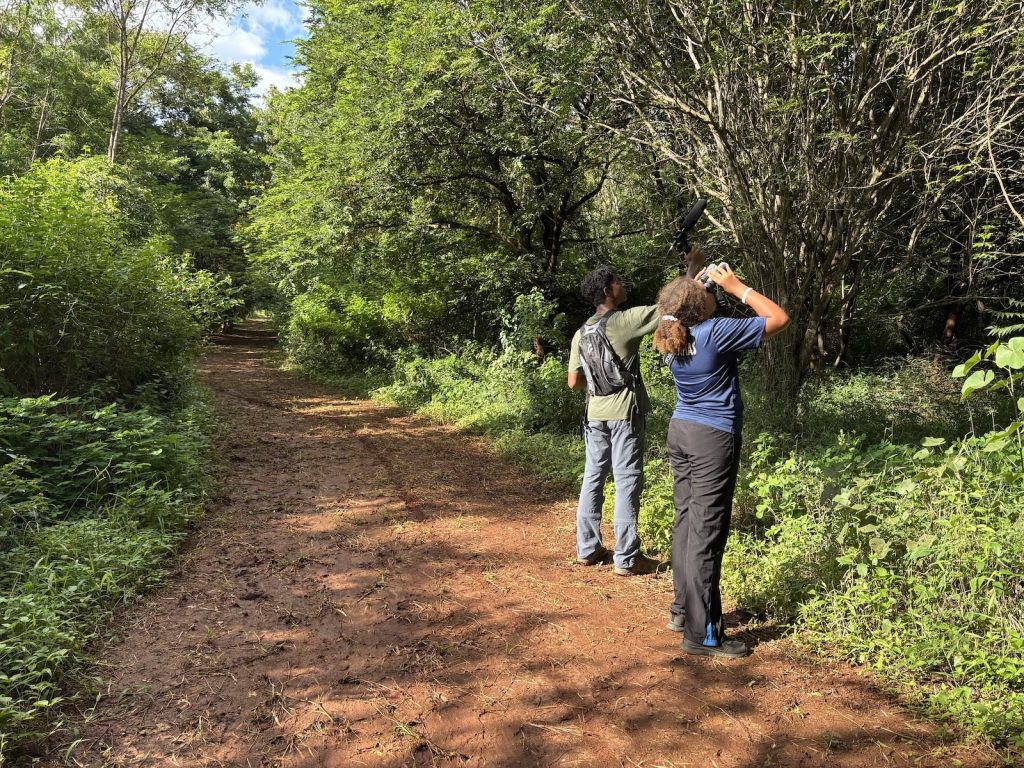
Across both locations over the two days, the group recorded a remarkable 103 bird species — a total that reflects both the exceptional biodiversity of the Morogoro area and the skill of participants in both seeing and hearing the birds around them. A number of high-quality sound recordings were uploaded directly to eBird during and after the field sessions, adding to the growing continental archive.
A special mention goes to Nora (Year 7), who was the youngest participant in the workshop. Nora’s enthusiasm and focus throughout both the classroom sessions and the field work were a reminder of exactly why the MIS Birding Club exists: to nurture a younger generation of students who see the natural world around them with curiosity and reverence.
From Morogoro to Ithaca — and Back Again
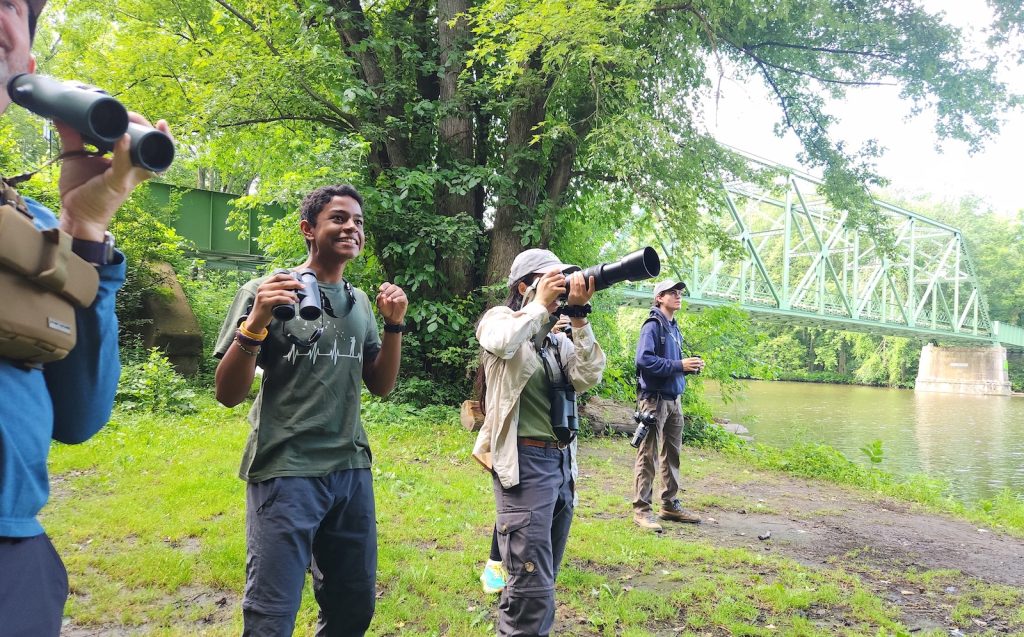
That a Year 12 student co-led a workshop alongside a professional ornithologist speaks to a remarkable journey. In June 2025, Reuben travelled to Ithaca, upstate New York, to attend the Cornell Lab of Ornithology’s annual Young Birders Event — one of only 16 students selected from over 160 applicants worldwide to attend the prestigious summer program.
The Young Birders Event brings together high school-aged birders from across the globe to learn about careers in ornithology, attend hands-on workshops with Cornell Lab scientists and staff, and bird in the rich wetlands and forests of the Finger Lakes region. The event is fiercely competitive and open to any student between Years 10–13 who demonstrates a genuine passion for birds.
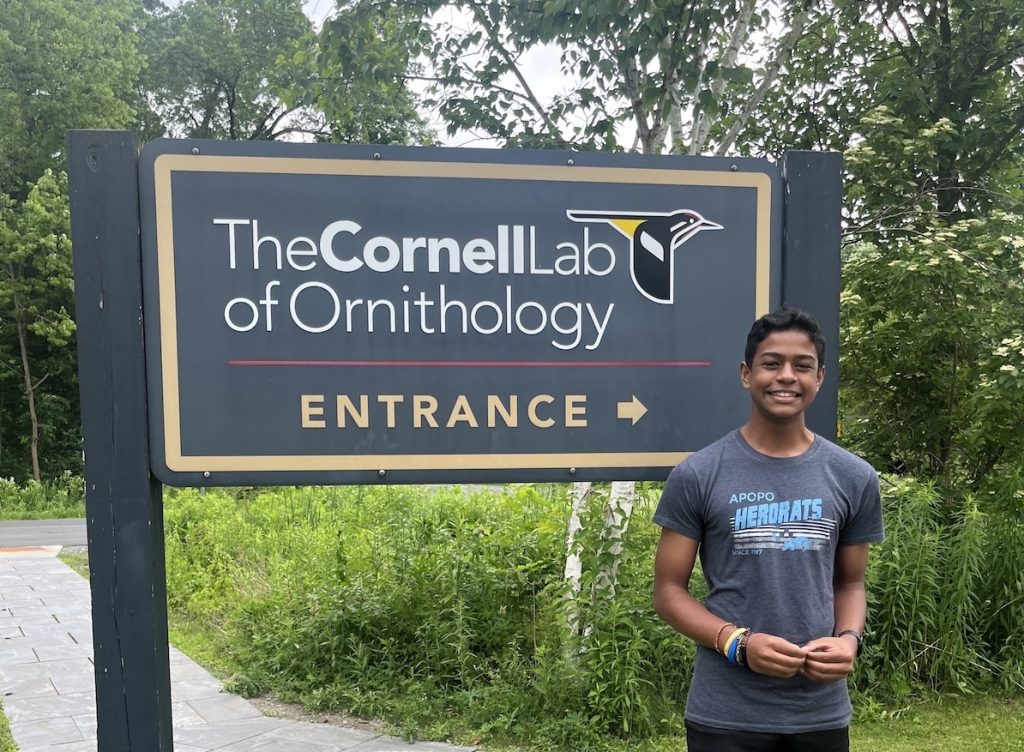
Reflecting on his time at Cornell, Reuben described a transformative moment: “Back at the Lab, as we were going through our recordings, I saw sound for the first time in my life.” That experience — seeing a bird’s call rendered as a visible waveform and spectrogram — clearly left a profound impression. Reuben returned to Morogoro with not just memories but skills: in sound recording techniques, spectrogram analysis, and use of directional microphones and the Merlin app. The Big Year of African Sounds workshop was, in many ways, a direct expression of what he brought home. Having learned from some of the world’s leading ornithologists at Cornell, he was ideally placed to share those techniques with university students and younger classmates alike.
Nature Tanzania and the Partnership with SUA
Nature Tanzania is a non-governmental organisation dedicated to wildlife conservation and environmental education across Tanzania. Through workshops, field programmes, and citizen science initiatives, it builds the capacity of Tanzanians — from schoolchildren to university researchers — to engage with and protect the country’s extraordinary natural heritage.
MIS is deeply grateful to Akshita Rabdiya of Nature Tanzania for leading the workshop, and to Dr. Rija, Head of the Wildlife Management Department at SUA, for facilitating the collaboration and hosting participants at the university’s beautiful botanical grounds. This kind of cross-institutional partnership, linking an international school, a national university, and an NGO, is precisely the model that makes citizen science so powerful.
What Comes Next
The recordings submitted during the workshop are now part of the Macaulay Library archive, available to researchers, app developers, and fellow birders worldwide. Each species logged from the SUA Botanical Garden or Mbuyuni Farm adds a data point to the emerging picture of Tanzanian bird populations and distributions — information that will matter for conservation planning for decades to come.
For the MIS Birding Club, the workshop is a springboard. With skills in sound recording and the Merlin app now embedded in the club, members have the tools to contribute meaningfully to the Big Year of African Sounds throughout 2026 — on school grounds, during field trips, and beyond.