
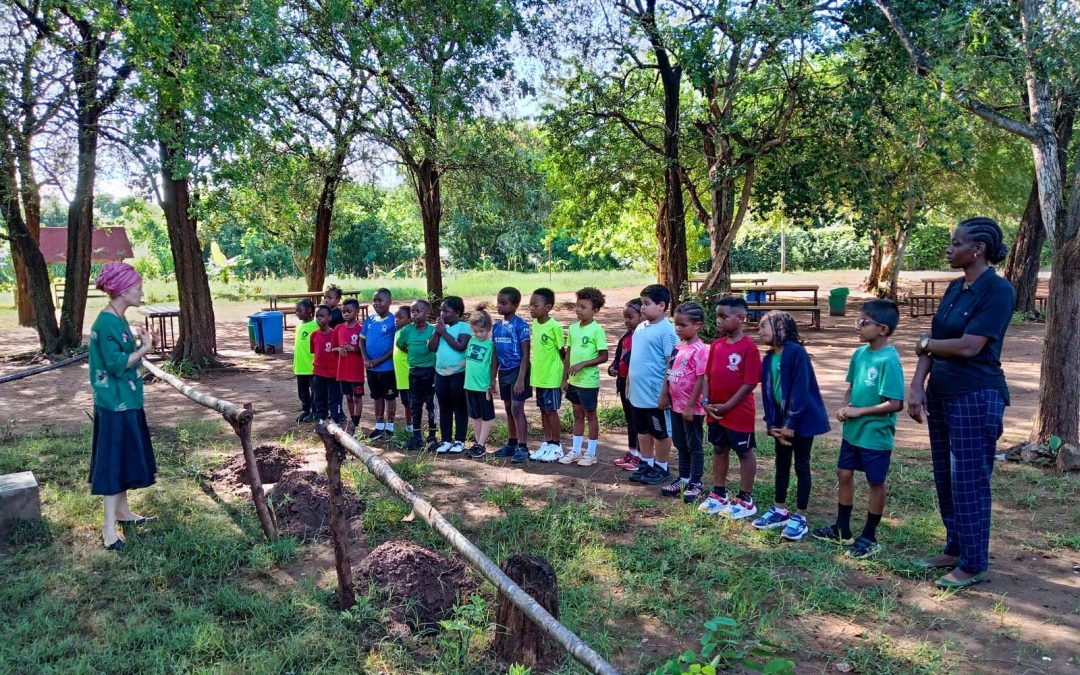
At Morogoro International School (MIS), Earth Day is more than a date on the calendar, it is an opportunity for staff and students to take meaningful action in their own community. On April 22nd, students across the school, led by the Eco-Club, took part in a hands-on sustainability project that combined environmental education and campus transformation.
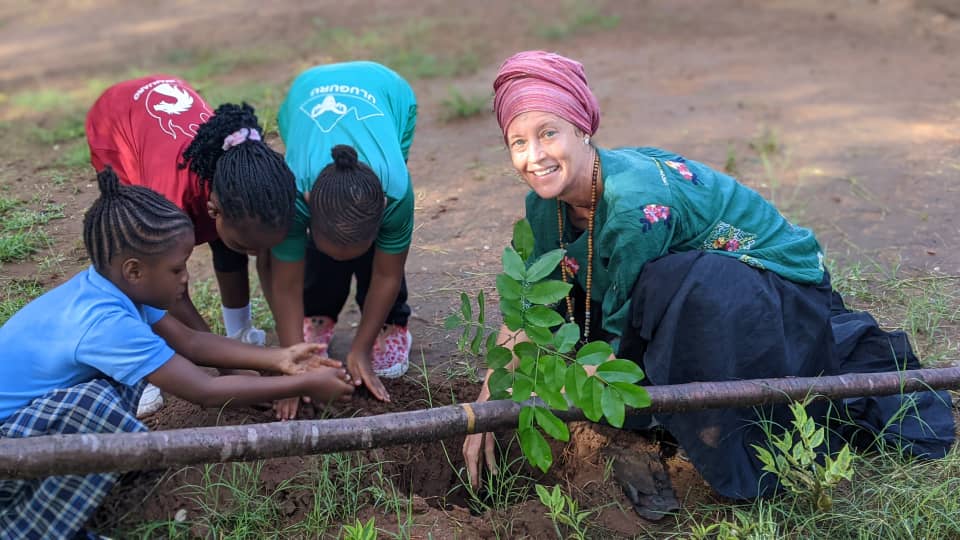
Planting for the Future
The centrepiece of this year’s Earth Day celebrations was the greening and naming of the popular eating area beside the school snack shop PJs, a space used by students every day.
Each class contributed to the project by planting Afzelia quanzensis (Pod Mahogany) trees around the perimeter of the seating area. A native African hardwood known for its resilience and beauty, the Afzelia quanzensis is a fitting choice for a school committed to celebrating and protecting the natural environment of Tanzania. Over time, these trees will grow to provide shade, improve air quality, and create a more welcoming outdoor space for the entire school community to enjoy.
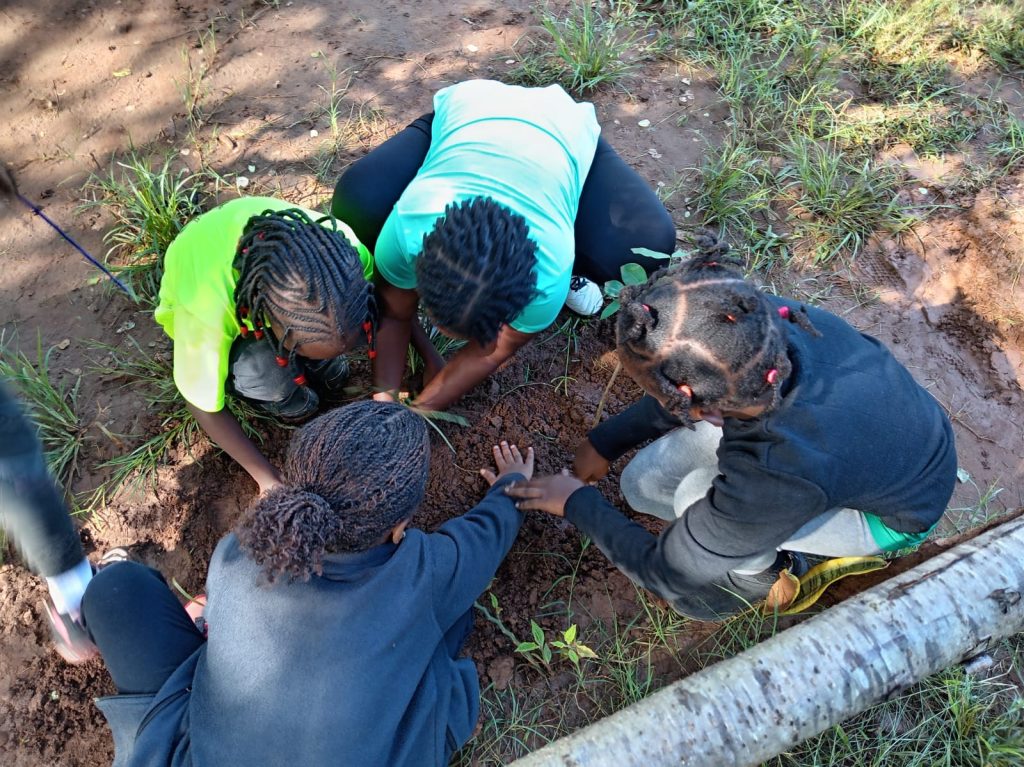
Planting indigenous trees is also a meaningful act of ecological responsibility. By choosing a species native to the region, students are actively supporting local biodiversity, a lesson that extends well beyond the classroom.
Learning with Purpose
Following the planting activity, students participated in workshops centred on the concept of green energy. Facilitated discussions explored how renewable energy sources — including solar, wind, and hydroelectric power — work, and how they could potentially be adopted within our own school community.
Tanzania is one of Africa’s most promising nations for renewable energy development, with abundant sunshine and growing investment in clean power infrastructure. These workshops gave students a chance to connect global conversations about climate change and the energy transition to their immediate surroundings, asking: what could a greener MIS look like?
This kind of place-based learning, grounding big ideas in a local context, is central to the MIS approach to environmental education. It equips students not just with knowledge, but with the motivation to act.
A Naming Competition with Lasting Impact
Inspired by this year’s international Earth Day theme, students adapted the concept into their own motto: “Our Power, Our Campus.” Back in their classrooms, classes brainstormed, debated, and negotiated creative names for the newly enhanced eating area, names that reflect the values of sustainability, community, and hope for the future.
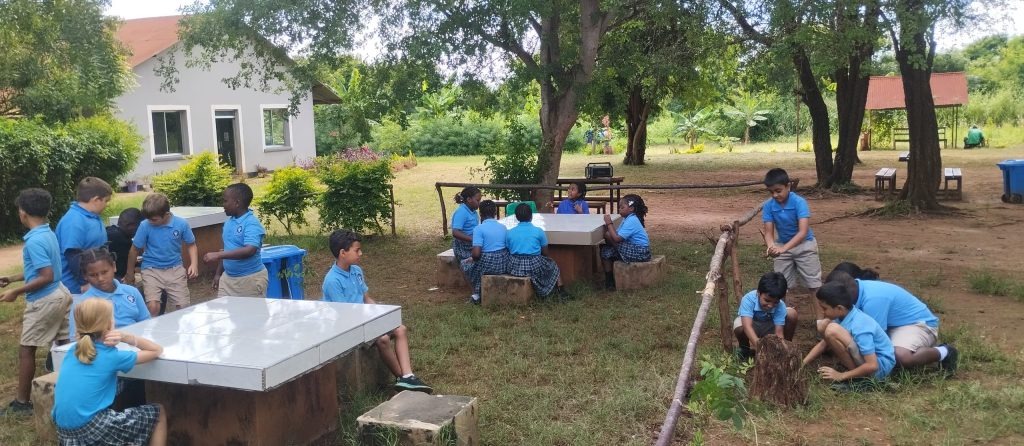
The winning class or form tutor group will be selected through a blind vote based on how effectively their proposal meets the naming criteria and will have their chosen name displayed on a permanent plaque at the eating area. It is a small but significant legacy, a reminder for years to come, that this space was shaped by the students who cared enough to change it.
Why Earth Day Matters at MIS
Environmental stewardship is woven into the fabric of life at MIS. From our location in Morogoro, gateway to the Uluguru Mountains and one of Tanzania’s most ecologically rich regions, to our curriculum and extracurricular activities, we believe students who understand and respect the natural world are better prepared for the challenges and opportunities ahead.
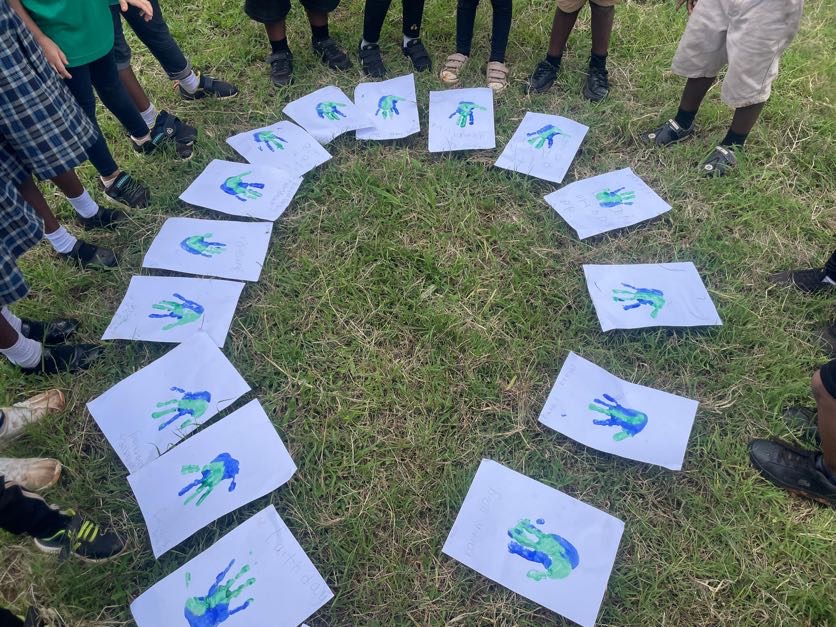
A huge thank you to Ms KC and the Eco-Club for helping us mark the occasion. Earth Day was a reminder that sustainability is not a subject to be studied in isolation. It is a practice, one that begins with the choices we make on our own campus. We look forward to watching the trees grow, and to revealing the winning name for the space that our students have made their own.