
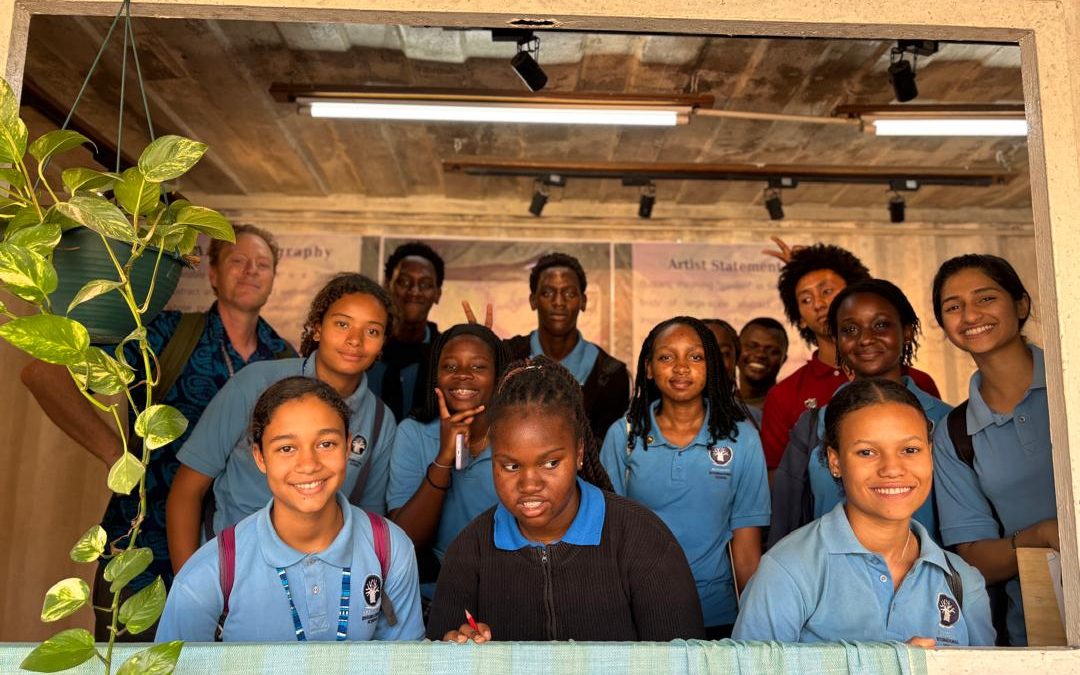
On Wednesday October 7th, Year 10, 11 and 13 Art & Design students travelled to Dar es Salaam by train on the SGR, for an inspiring day exploring Tanzania’s diverse art scene. Accompanied by Art Teacher Mr. Roels and Deputy Head of Secondary Mrs. Moore, students visited four creative spaces: Nafasi Art Space, the Tinga Tinga Cooperative and Alliance Française.
The field trip was designed to give students first-hand experience of different artistic environments, introduce them to the work of local artists and broaden their understanding of the many ways in which art can communicate ideas, culture and identity.
Connecting classroom learning with the world of art
For students following the Cambridge International IGCSE and A-Level Art & Design courses, developing as an artist involves much more than learning practical skills and mastering different techniques. Students are encouraged to investigate, experiment, observe and develop their own visual language. Researching the work of other artists, understanding different artistic movements and exploring a variety of approaches to materials and composition are all important elements of their studies.
Visiting galleries and working art spaces provides an opportunity to experience original artwork first hand. Rather than seeing images in a magazine or on a screen, students can look at the finer details, textures, scale, colour choices and techniques used by artists. They can also consider how an artwork is presented and how its surroundings influence the way it is experienced.
These observations are particularly valuable when developing coursework and personal projects. At IGCSE level, students build their confidence in exploring ideas, recording observations and experimenting with different media before developing their own final outcomes. At A-Level, students are expected to demonstrate greater independence, research depth and critical understanding, developing a personal direction through sustained investigation and practical experimentation. Exposure to a range of artists and creative practices helps students make informed choices and develop more individual responses in their own work.
Discovering different artistic perspectives
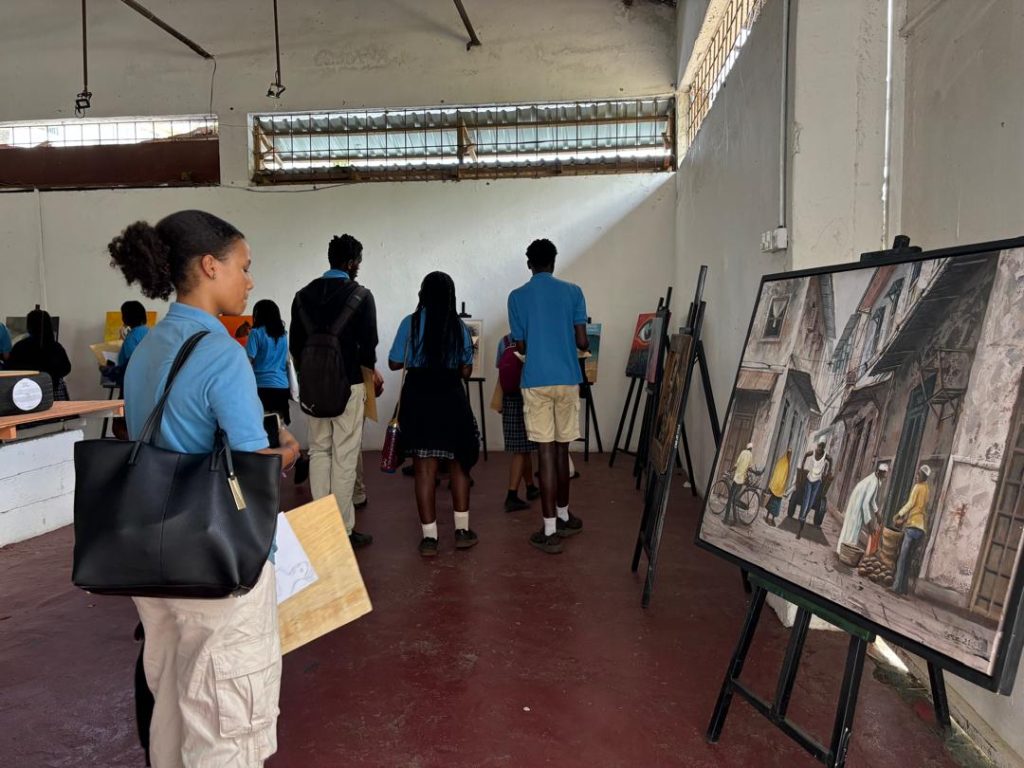
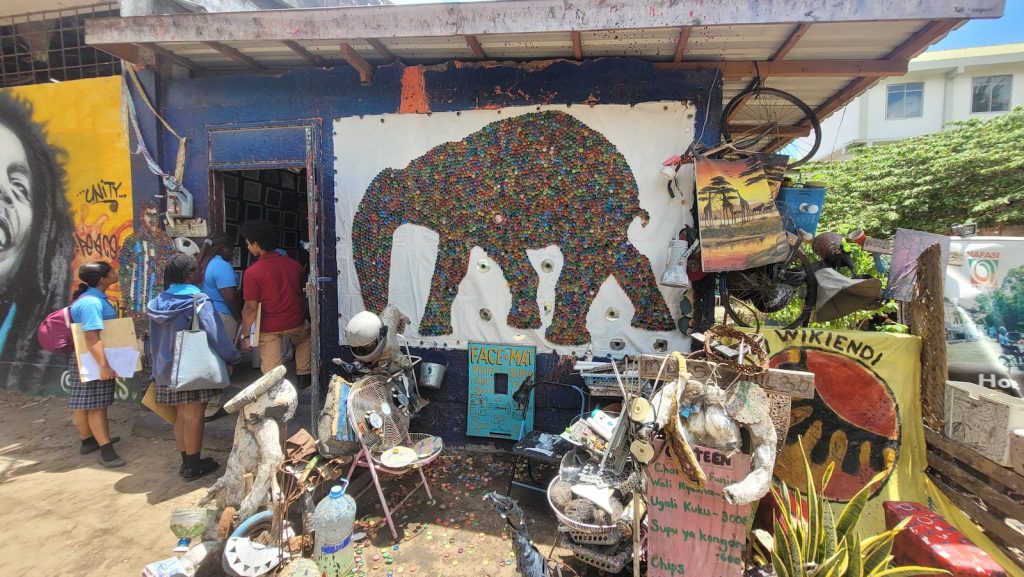
The first stop was Nafasi Art Space in Mwenge, a contemporary arts centre that provides a platform for Tanzanian artists and the wider creative community. The visit introduced students to a contemporary artistic environment and offered insight into the different ways artists develop, experiment with and share their work. Spaces like Nafasi also demonstrate that art is not limited to finished gallery pieces; it is an ongoing process involving research, collaboration, experimentation and creative exchange.
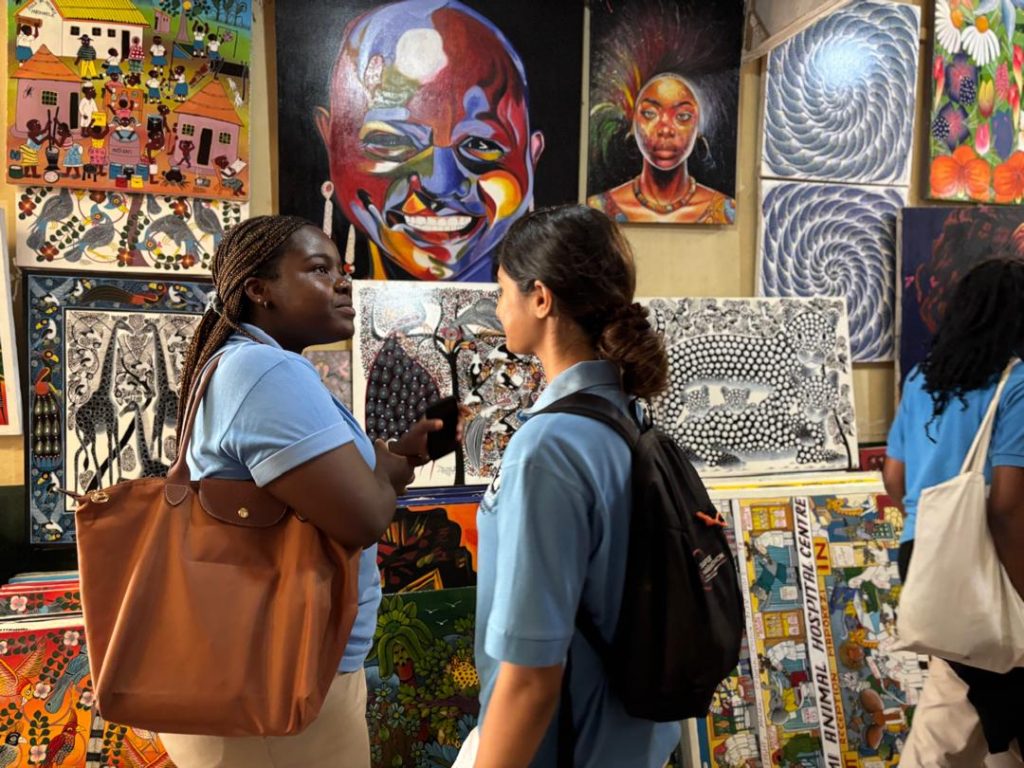
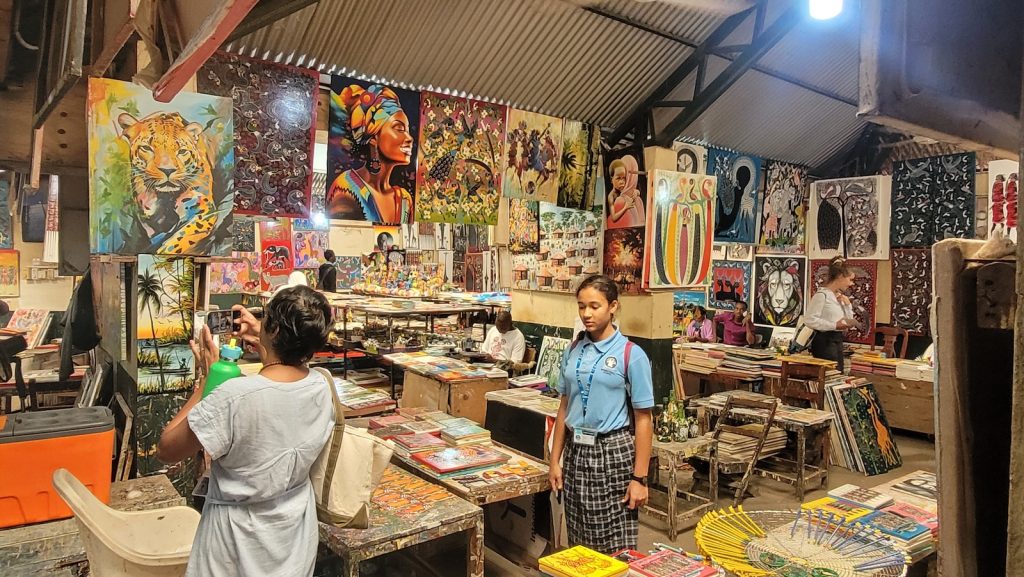
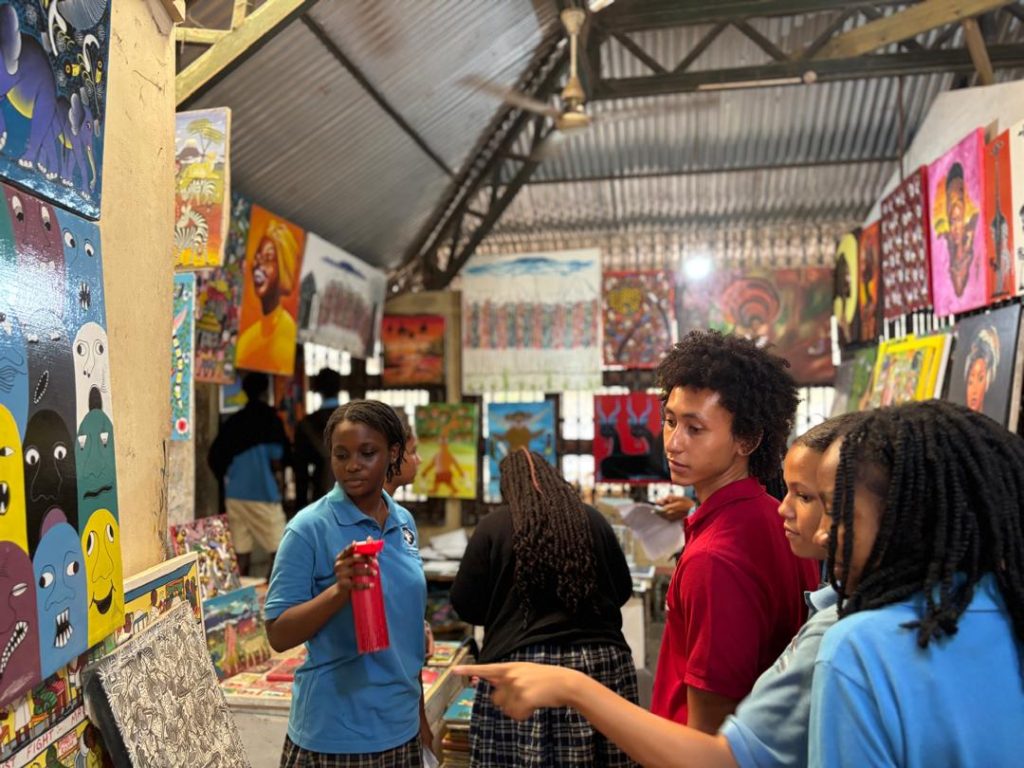
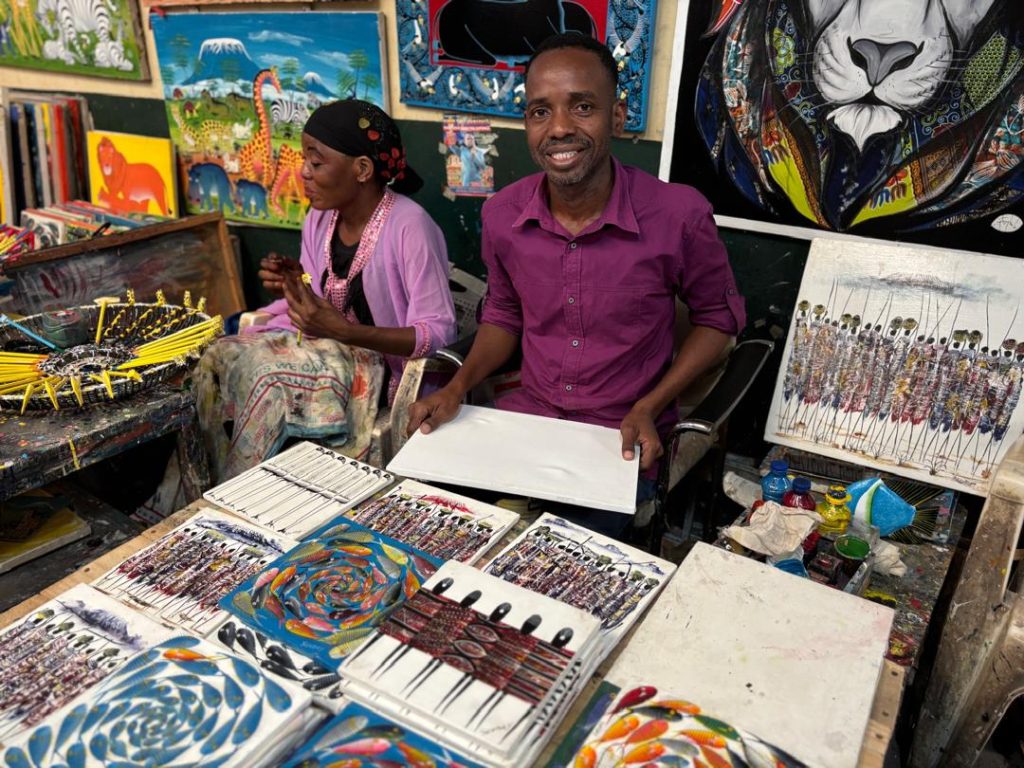
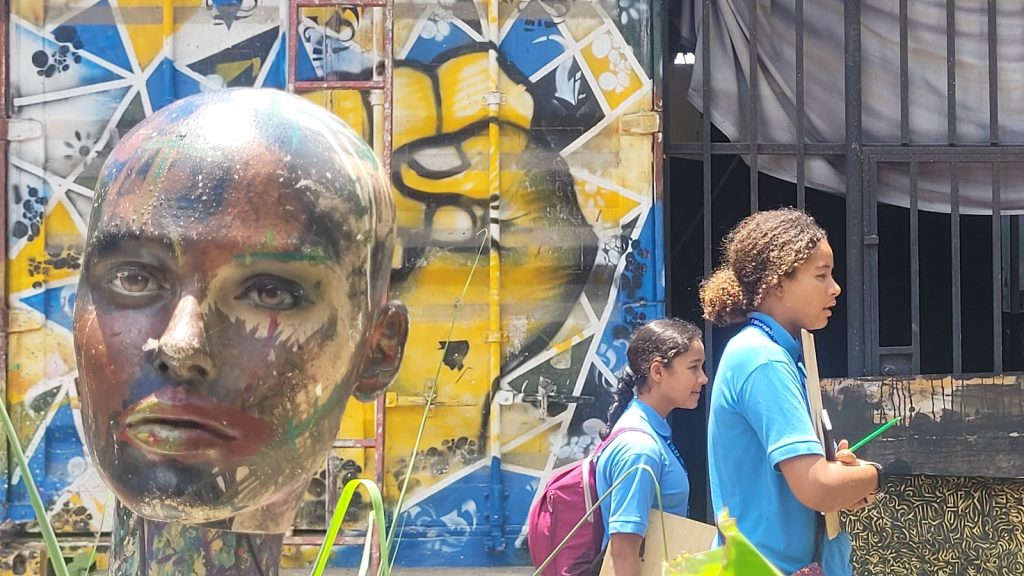
A visit to the Tinga Tinga Cooperative offered a particularly valuable opportunity to explore one of Tanzania’s best-known artistic traditions. Tinga Tinga painting is recognised for its distinctive use of vibrant colours, bold outlines, decorative patterns and imaginative depictions of animals and everyday life. Its characteristic visual style provides plenty of inspiration for students interested in colour relationships, pattern, composition and the development of a recognisable artistic identity. It also offered an opportunity to consider the relationship between traditional art forms, cultural heritage and contemporary creative practice.
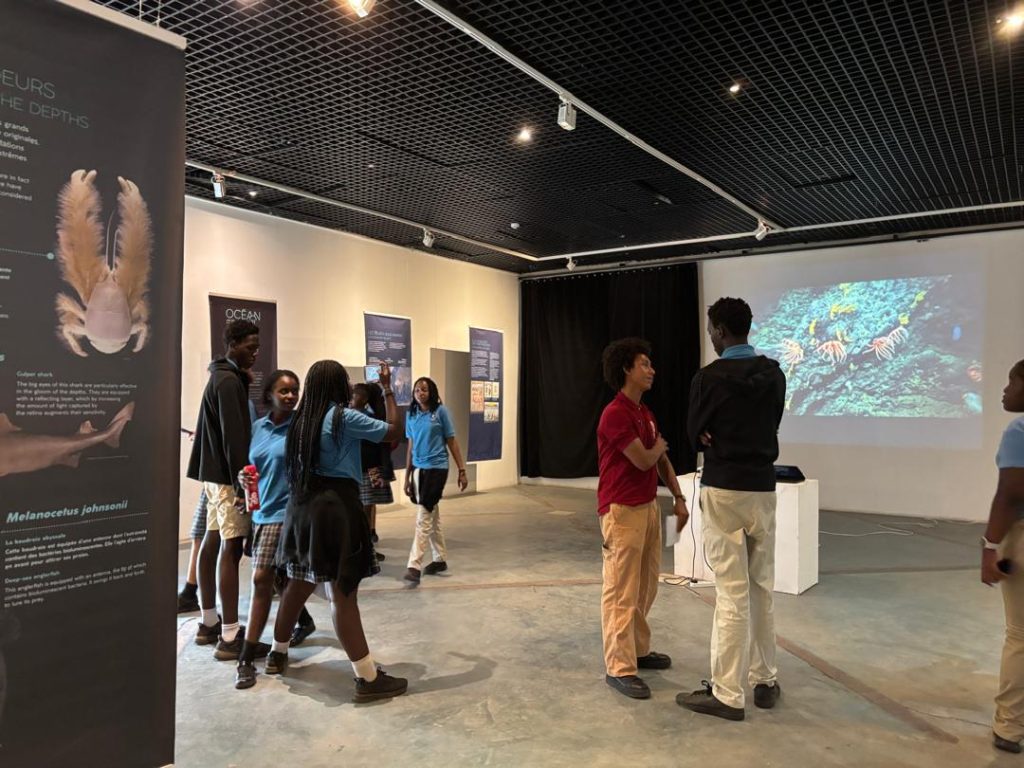
The group also visited the Alliance Française, another important cultural space in Dar es Salaam. Through its engagement with the arts and cultural exchange, it provided a further perspective on the role of creative institutions in bringing artists, audiences and different cultural influences together. The exhibition that we have seen there was about the importance of the preservation of our oceans.
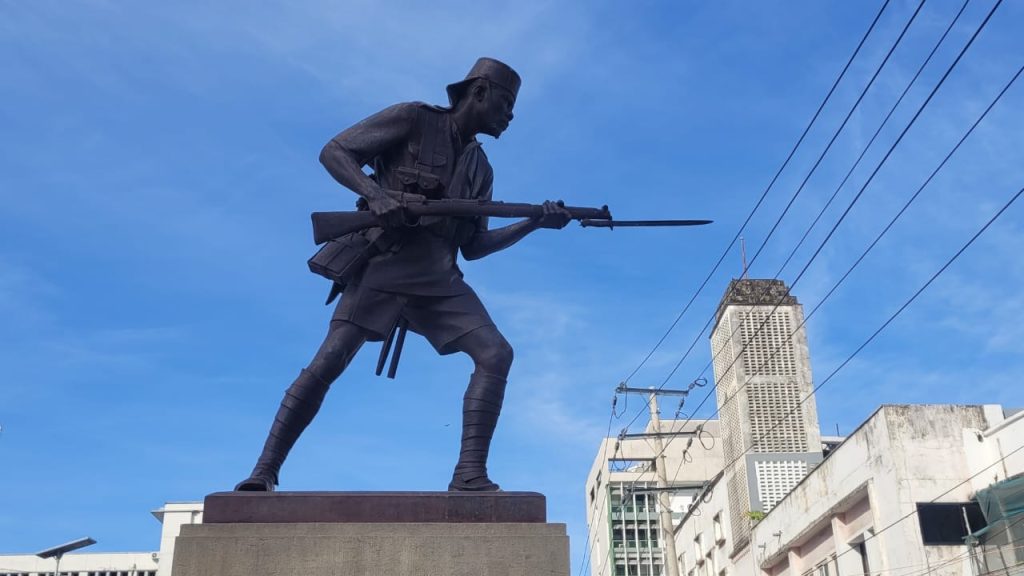
The final stop was the famous ‘Askari Monument‘, where the A-Level students were set a practical task to photograph the statue from different angles. The monument was unveiled in 1927 and the bronze statue stands at the junction of Samora Avenue and Azikiwe Street, in remembrance of African soldiers, known as askaris, who fought in World War 1. For the A-Level students, the famous landmark provided both a historical subject and an interesting artistic challenge. They will use their photographs as primary source material to develop an original artwork. This exercise highlights an important element of the Cambridge A-Level Art & Design curriculum: the ability to independently observe, record and interpret first-hand visual references as the starting point for their own creative work
Learning beyond the classroom
Throughout the day, students were encouraged to look closely, ask questions and consider how the work they encountered might inform their own artistic development. Experiencing different venues and artistic approaches helped them appreciate the breadth of creative expression in Tanzania, from established local traditions to contemporary experimentation.
For IGCSE and A-Level students, these experiences can become an important starting point for further investigation. A particular colour combination, an interesting use of materials, an unusual composition or an artist’s interpretation of a familiar subject can all provide the inspiration for new experiments and ideas. Encountering work that challenges their existing expectations encourages students to think more critically about what art can be and how they might approach their own creative practice.
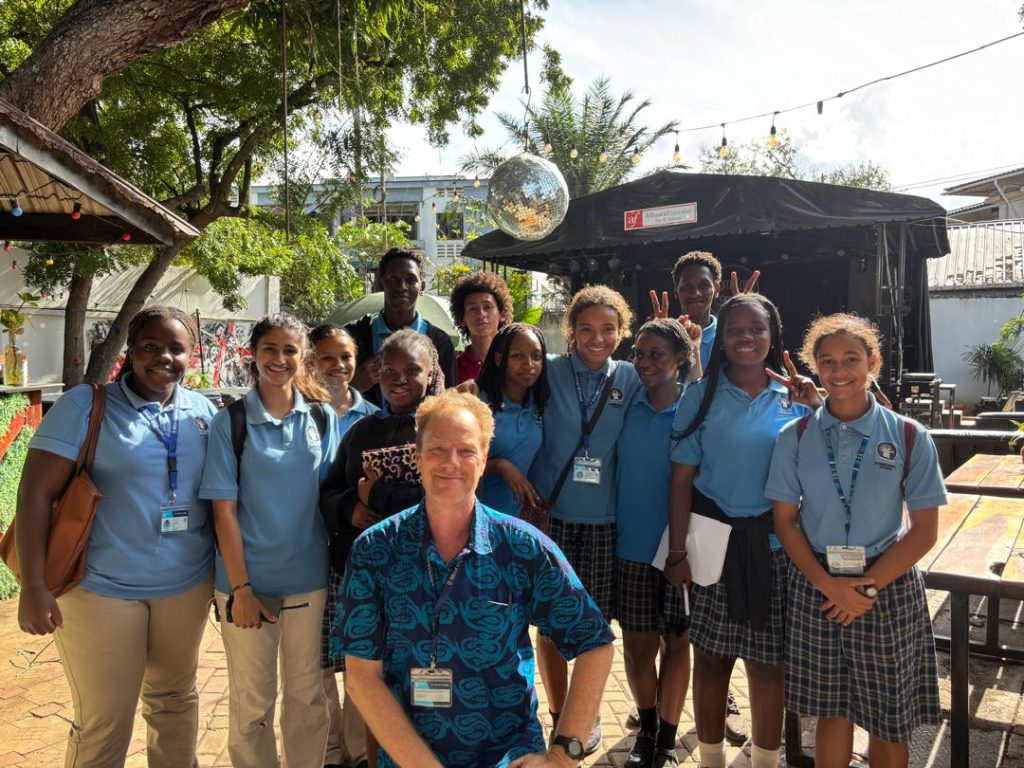
The field trip was a valuable extension of the Art & Design curriculum, giving students the opportunity to engage directly with Dar es Salaam’s creative community and see the relevance of their studies in a wider context. It was an enjoyable and enriching day that encouraged curiosity, independent thinking and a deeper appreciation of the visual arts.