
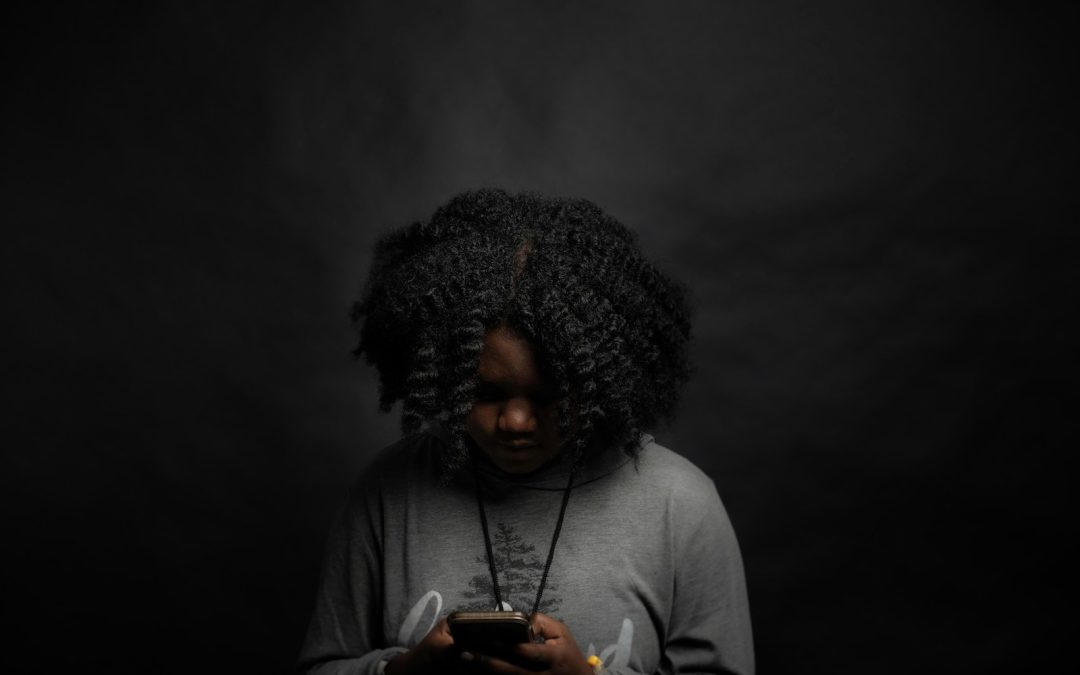
In today’s connected world, smartphones and social media are an integral part of young people’s lives. At Morogoro International School, we recognise that technology is not inherently good or bad — it is a powerful tool that must be used responsibly, thoughtfully, and in alignment with our core values of Respect, Integrity and Responsibility.
Understanding the Digital Landscape
Recent research from the CDC, shows that digital engagement is nearly universal among young people. Studies indicate that around 95% of teenagers use social media, with many engaging multiple times a day.
This level of connectivity brings both opportunities and challenges. Smartphones and social media can help students stay connected, express themselves, and access educational resources. At the same time, excessive or unregulated use can impact mental health, sleep, and overall wellbeing.
The Positive Impact
When used responsibly, smartphones and social media can:
- Enhance learning through access to information, collaboration tools, and educational content
- Strengthen social connections, especially for students who may feel isolated
- Encourage creativity and self-expression through digital platforms
- Provide support networks and communities, particularly for young people facing challenges
These benefits align with our deeply valued Community, where students learn to connect, collaborate, and support one another in meaningful ways.
The Risks and Challenges
However, research also highlights important concerns. Frequent social media use has been linked to:
- Increased risk of bullying and cyberbullying
- Higher levels of anxiety, depression, and feelings of hopelessness
- Sleep disruption and reduced concentration
- Exposure to unrealistic comparisons and harmful content
Additionally, experts at Yale School of Medicine emphasize that it is not just screen time, but how and why young people use technology that influences outcomes.
At Morogoro International School, we encourage students to demonstrate Responsibility in their digital habits and Integrity in their online interactions.
A Balanced Approach
The key is not to eliminate technology, but to guide students in using it wisely. Research consistently recommends a balanced approach that includes digital literacy, parental involvement, and open communication. Learn more about Social Media and Youth Mental Health. By working together — school and home — we can help MIS students build healthy, lifelong habits.
Safety Guide for Parents
Parents play a crucial role in shaping how children use technology and promoting healthy digital habits. Below are practical strategies to support your child:
1. Set Clear Boundaries
- Establish screen-free times (e.g. during meals, before bedtime)
- Create age-appropriate limits for social media use
- Keep devices out of bedrooms at night to promote healthy sleep
2. Encourage Open Communication
- Talk regularly about your child’s online experiences
- Create a safe space where they feel comfortable sharing concerns
- Discuss both the benefits and risks of social media
3. Model Positive Behaviour
- Children learn from adults, demonstrate balanced device use as parents/guardians
- Show respect and kindness in your own digital interactions
4. Promote Digital Responsibility
- Support the school in teaching children not to share personal information online
- Encourage them to think critically before posting or commenting
- Reinforce the importance of Respect and Integrity in all online interactions
5. Monitor and Guide (Not Control)
- Know which apps your child uses and why
- Use parental controls where appropriate, especially for younger students
- Gradually give more independence as they demonstrate responsibility
6. Prioritise Offline Activities
- Encourage sports, community events, creative arts, and face-to-face friendships
- Ensure a healthy balance between online and offline life
7. Watch for Warning Signs
Be alert to changes such as:
- Withdrawal from family or friends
- Changes in mood or sleep patterns
- Reluctance to attend school
If you have concerns, please seek support from your child’s Form Tutor and/or the Pastoral Head for their Key Stage. In the Primary School, parents are encouraged to speak with the Class Teacher or the Head of Primary.
Local Support and Resources in Tanzania

Families are not alone in navigating the challenges of digital life. In Tanzania, several organisations and initiatives are working to support children’s safety and wellbeing both online and offline.
Parents can access guidance and support through organisations such as UNICEF Tanzania, which focuses on protecting children from violence, exploitation, and emerging online risks. Save the Children Tanzania also works closely with communities and schools to strengthen child protection systems and provide parenting support programmes.
At a local level in Morogoro, the organisation Zuia Trafficking is actively engaged in raising awareness among young people, regularly delivering informative sessions in secondary schools on children’s rights, protection, online safety, and the risks associated with exploitation. Their work provides valuable, real-world guidance that helps students make safer and more informed decisions.
In addition, Tanzania has also taken steps to regulate online safety through laws such as the Cybercrimes Act (2015), which addresses harmful online behaviour including cyberbullying and inappropriate content.
Our Commitment
At Morogoro International School, we are committed to nurturing well-rounded students who thrive academically, socially, and emotionally. By embedding our core values of Respect, Responsibility and Integrity into digital behaviour, we empower students to become thoughtful and responsible global citizens.
Together, as a school community, we can ensure that technology serves as a tool for growth, learning, and positive connection.